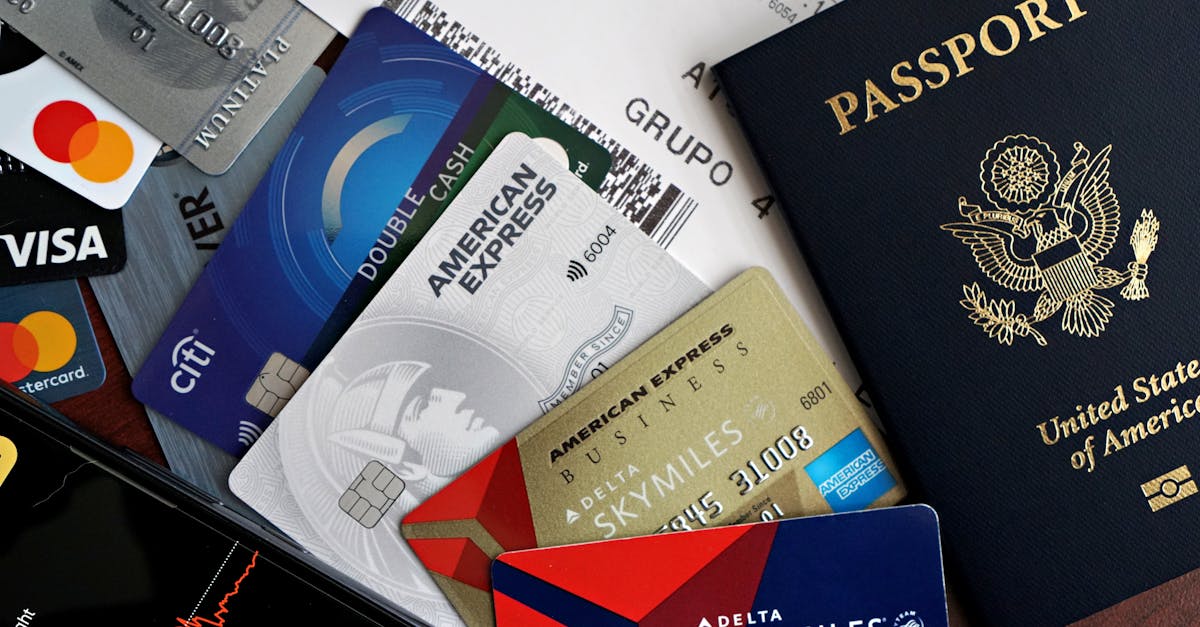
Why Most Travel Rewards Programs Fail You (And What Actually Works for Real Savings)
You’ve seen the enticing ads: earn thousands of miles, fly for free, upgrade to first class, all just by using a credit card. It sounds like a dream, a secret hack to travel the world without breaking the bank. I certainly bought into it. For years, I chased sign-up bonuses, meticulously tracked spending categories, and tried to game the system, convinced I was on my way to endless free travel. What I discovered, though, was a frustrating cycle of missed opportunities, expired points, and rewards that were far less valuable than advertised.
Like many, I fell into the common traps of travel rewards programs. I’d rack up points on a card that offered a great sign-up bonus, only to find the redemption options were limited, the blackout dates impossible, or the ‘free’ flight still came with hundreds of dollars in taxes and fees. I once spent months accumulating enough points for a flight, only to realize the flight I actually wanted wasn’t available for points booking, or required double the points for a less convenient time. It felt like I was working for the rewards, rather than the rewards working for me.
My biggest mistake was assuming that more points automatically meant more travel. The truth is, the value of travel rewards is incredibly opaque and often engineered to benefit the issuer, not the consumer. The hidden costs, the restrictive terms, and the constant devaluation of points mean that most people never fully realize the promise of ‘free’ travel. But here’s the good news: there is a smarter way to approach travel rewards, one that actually puts money back in your pocket and opens up real travel opportunities.
Key Takeaways
- Most travel rewards programs are designed with hidden complexities that devalue your points and make true ‘free’ travel rare.
- Focus on maximizing cashback rewards as your primary strategy for travel savings, offering unparalleled flexibility and real monetary value.
- Embrace strategic use of one or two travel-specific credit cards for high-value redemptions, avoiding the trap of chasing every bonus.
- Implement a clear travel savings fund to separate your travel budget from daily expenses, building real capital for your adventures.
The Illusion of Value: Why Your Points Are Worth Less Than You Think
The biggest deception in travel rewards isn’t the points themselves, but the illusion of equivalent value. We’re conditioned to think 100,000 points equals a free flight, but the reality is far more nuanced. In my experience, the value of a point can swing wildly depending on the program, the time of year, the destination, and even the specific airline or hotel within a loyalty network. I’ve seen points valued at over 2 cents per point for a business class upgrade, and then less than half a cent for a domestic economy flight during peak season. This variability is a feature, not a bug, designed to keep you guessing and, ultimately, spending.
For example, I once diligently saved up points for a ‘free’ international flight. When I finally went to book, the only available dates required me to travel midweek during the off-season, which didn’t align with my vacation schedule. To get a flight during my preferred dates, the points required jumped by 50%, or I was hit with exorbitant cash co-pays. Suddenly, a ‘free’ flight became a highly inconvenient and still expensive proposition. This experience highlighted how redemption limitations often negate the perceived value of points. Blackout dates, limited award availability, dynamic pricing models, and inflated points costs for desirable routes are common hurdles.
Furthermore, the constant devaluation of points is a silent killer of your travel dreams. What was worth a significant flight last year might only cover a portion of a flight this year. Programs frequently change their redemption charts or partner agreements without much fanfare. This means the points you’re hoarding for a big trip might be slowly eroding in value, making your long-term savings strategy less effective. Instead of a fixed currency, points are a volatile asset, constantly subject to the whims of the issuing company. It’s like saving for a house in a currency that keeps losing purchasing power.
Why Chasing Sign-Up Bonuses Becomes a Trap
The allure of a massive sign-up bonus – ‘Earn 50,000 bonus miles after spending $3,000 in three months!’ – is incredibly powerful. It certainly hooked me. I remember opening multiple credit cards in a single year, convinced I was cleverly accumulating enough points for a round-the-world trip. What I realized, far too late, was that chasing bonuses often leads to overspending and unnecessary financial risk.
To meet those spending minimums, I found myself making purchases I wouldn’t have otherwise. I’d buy gift cards to stores I rarely frequented, upgrade to a more expensive product, or even pre-pay bills just to hit the threshold. This isn’t smart spending; it’s forced spending. The true cost of the bonus isn’t just the annual fee (which many high-tier travel cards have), but the opportunity cost of that overspending and the interest charges if you can’t pay off the balance immediately. In my case, a few times, I carried a balance for a month or two, completely negating any ‘free’ value I gained from the points.
Another significant issue is the impact on your credit score. Opening multiple lines of credit in a short period can lower your average age of accounts and trigger multiple hard inquiries, both of which can negatively affect your credit score. While a good score recovers, this strategy can hurt your ability to get other loans (like a mortgage or car loan) if you’re not careful. I learned the hard way that a slightly better flight deal wasn’t worth jeopardizing my credit health.
Lastly, the constant churn of opening, meeting spending, and then potentially closing cards becomes a logistical nightmare. Remembering activation dates, spending minimums, annual fee cycles, and different redemption portals adds a layer of stress that completely undermines the joy of anticipating travel. The energy I spent managing these cards could have been better invested in simply earning and saving cash.
The Unsung Hero: Why Cashback Outperforms Most Travel Rewards
After years of chasing phantom flights and devalued points, I had a revelation: cashback is king for travel savings. It’s simple, transparent, and undeniably valuable. When you earn cashback, you’re getting real money back in your pocket, not a promise of future travel that comes with a complex set of rules and restrictions.
Consider this: a card offering 2% cashback on all purchases is straightforward. Spend $5,000, get $100. That $100 can be used for anything – including travel. You can use it to directly pay for a flight, book an Airbnb, cover a train ticket, or even simply offset the cost of gas on a road trip. There are no blackout dates, no point devaluations (a dollar is always a dollar), and no forced redemptions. This unparalleled flexibility is what makes cashback so powerful. I shifted my primary spending to a high cashback card, and the peace of mind alone was worth it.
My personal experience has been overwhelmingly positive since making this switch. I accumulate a significant amount of cashback throughout the year, typically several hundred dollars. This money goes directly into a dedicated ‘Travel Fund’ savings account. When it’s time to book a trip, that money is there, liquid and ready to use, exactly as I see fit. I’m not constrained by a limited selection of flights or hotels; I can hunt for the best deals across all platforms, knowing I have cold, hard cash to back my bookings. This approach removes the mental gymnastics and stress associated with complex points programs.
While some might argue that ‘aspirational travel’ (like first-class international flights) is only achievable through points, I contend that for the vast majority of retirees, maximizing tangible savings on everyday travel is far more practical and stress-free. Cashback ensures you always get value, and that value is liquid and adaptable to your travel plans, not the card issuer’s.
Strategic Exceptions: When Targeted Travel Cards Still Make Sense
While cashback is my reigning champion for most travel savings, there are specific scenarios where targeted travel credit cards can still be incredibly valuable. The key is to approach them strategically, not as a primary points-earning engine, but as a tool for specific, high-value benefits. In my updated approach, I typically keep just one or two travel-specific cards open, carefully selected for benefits that genuinely enhance my travel experience or offer outsized value.
One common example is a co-branded airline or hotel credit card for frequent travelers. If you consistently fly one airline or stay with one hotel chain, the perks can be substantial. Think free checked bags, priority boarding, annual free night certificates, or elite status benefits. For instance, I used to fly a specific airline frequently for work. Holding their co-branded card meant free checked luggage (saving $60 per round trip) and priority boarding, which, over several flights a year, amounted to significant savings and convenience. These aren’t ‘free’ flights, but they are tangible, consistent benefits that reduce friction and costs on paid travel.
Another scenario is a premium travel card that offers an annual travel credit or specific lounge access. Many high-annual-fee cards come with statement credits that offset their annual cost, effectively making the net fee much lower or even zero. If you naturally spend in those categories or value lounge access, these can be worth it. I once had a card that offered a $300 travel credit annually. Since I always spent at least $300 on travel, it was like getting the annual fee back, plus other perks. The trick is to ensure you actually use these credits and benefits without forcing spending.
The critical distinction here is not chasing points, but leveraging specific, guaranteed benefits that align with your existing travel habits. Don’t get a hotel card if you rarely stay at that brand. Don’t get an airline card if you fly different airlines based on price. Focus on cards that offer tangible, high-value perks that you would pay for anyway, effectively making them ‘free’ or heavily discounted through the card’s annual benefits. This approach moves away from the ‘earn-and-burn’ points game to a more pragmatic ‘maximize-perks’ strategy.
Build a Dedicated Travel Fund: The Most Effective Way to Save
This might sound incredibly obvious, but in my journey through the complexities of travel rewards, I discovered that the most effective and stress-free way to fund my travels was through a dedicated travel savings fund. It’s a simple concept, yet one often overshadowed by the allure of points and miles. The mistake I see most often, and one I made myself, is failing to separate travel savings from general savings or daily expenses. This makes travel feel like an unexpected expense rather than an achievable goal.
What changed everything for me was setting up a separate, high-yield savings account explicitly labeled ‘Travel Fund.’ This isn’t just about earmarking money; it’s about creating a psychological boundary and a tangible goal. Each month, I set up an automated transfer of a fixed amount from my checking account into this fund. This removes the decision-making and ensures consistent progress. I treat this transfer like any other bill that needs to be paid.
Furthermore, any cashback I earn from my credit cards (as discussed in the previous section) goes directly into this Travel Fund. This creates a virtuous cycle: responsible spending earns cashback, which then fuels my travel dreams with real money. The clarity of seeing a growing balance in a dedicated account is incredibly motivating. When I finally book a trip, I simply transfer the necessary funds from the Travel Fund to my checking account, and the purchase is made with money specifically saved for that purpose.
This system provides transparency, control, and peace of mind. There are no hidden fees, no expiration dates, and no complex redemption charts. You know exactly how much money you have for travel, and you can spend it however you choose. It allows for intentional travel planning, enabling you to save for bigger, more aspirational trips, or simply enjoy more frequent, smaller getaways, all on your terms. This shift from chasing elusive rewards to building a solid cash reserve has transformed my travel budgeting and made travel a consistent, enjoyable part of my life.
Conclusion: Reclaiming Your Travel Dreams with Clarity
The world of travel rewards can be seductive, promising global adventures with minimal effort. My own journey through this landscape revealed a different reality: one often fraught with hidden complexities, devalued points, and the subtle pressure to overspend. The mistake I see most often is getting lost in the chase, allowing the perceived value of points to obscure the actual cost and inconvenience.
What changed everything for me was a pivot towards simplicity and tangible value. By prioritizing cashback for everyday spending and funneling those real dollars into a dedicated travel fund, I gained unparalleled flexibility and control over my travel budget. Strategic use of targeted travel cards, when their specific benefits truly align with existing habits, can still enhance the experience. Ultimately, the most rewarding travel comes not from gaming a system, but from intentionally building the financial freedom to explore the world on your own terms. Start by setting up that dedicated travel fund today; your next adventure awaits, funded by real savings, not phantom points.
Written by Marcus Chen
Smart Spending, Financial Wellness
After decades as a financial planner, Marcus now simplifies complex money matters into accessible advice.
You Might Also Like

Why Most Beginners Fail at Personal Budgeting (And The Simple Framework That Actually Works)
Discover why traditional personal budgeting often fails beginners and learn a simple, effective framework that actually helps you take control of your finances.

Why Most Beginners Fail at Personal Finance (And The Simple Framework That Actually Works)
Unlock real financial control. Discover why typical personal finance advice falls short and learn a practical framework that actually works for beginners.
Why Most Personal Budgeting Fails (And The Simple Framework That Actually Works)
Discover why traditional budgeting methods often fall short and learn a practical, flexible framework that actually helps you achieve financial control.